Salty Beach: Crafting Whimsical Visual Narratives
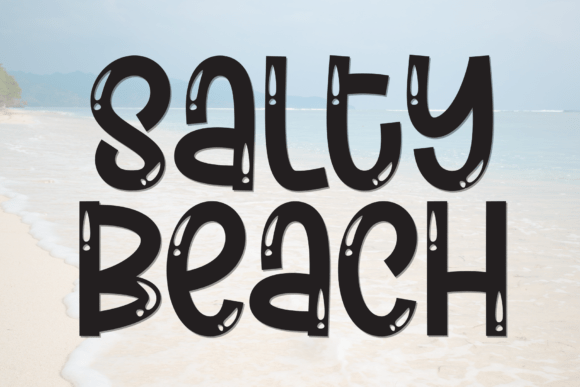
Imagine a typeface that captures the effortless charm of a handwritten note found in a seaside café, instantly infusing your project with warmth and personality. That is the essence of Salty Beach, a handwritten display font that bridges the gap between professional polish and authentic, human connection. In a digital landscape saturated with sterile sans-serifs, this asset offers a distinct visual voice, making it an indispensable tool for designers aiming to evoke emotion and whimsy.
The Role of Typography in Visual Communication
Typography is rarely just about legibility; it is a primary carrier of tone. In modern graphic design, the choice of font dictates the emotional response of the viewer. Salty Beach excels in creating a visual hierarchy that feels approachable. Its sweet and affable vibe makes it particularly effective for projects that require a "human touch," transforming standard layouts into engaging stories. Whether you are working on brand identity or social media graphics, this font ensures your message resonates with warmth and an inviting personality.
Practical Applications for Modern Creators
The versatility of a handwritten display font lies in its ability to adapt across various mediums while maintaining a consistent emotional core. Integrating Salty Beach into your design workflow can elevate numerous creative projects:
- Branding and Logo Design: Ideal for lifestyle brands, bakeries, or boutique agencies seeking a friendly, artisanal aesthetic. It pairs exceptionally well with clean sans-serifs for a balanced visual hierarchy.
- Marketing Materials: Use it for headlines in brochures, flyers, or advertising campaigns to draw the eye and soften the call to action.
- Event Stationery: As noted, its playful design makes it a distinguished choice for wedding invitations and greeting cards, adding a sprinkle of fun to formal correspondence.
- Digital and Web Design: In UI design and web design, utilize it for hero sections or pull quotes to break the monotony of body text, improving user engagement.
- Packaging Design: For products that need to stand out on the shelf with a whimsical twist, such as artisanal foods, cosmetics, or children’s toys.
Strategic Integration in Design Systems
While a font like Salty Beach offers immense creative value, successful implementation requires strategic thinking. In professional presentation, readability must remain a priority. Because this is a display font, it is best suited for headlines and short bursts of copy rather than long-form body text.
When integrating this asset into a broader design blueprint, consider the following tips for maximum impact:
- Contrast is Key: Pair the organic, flowing lines of Salty Beach with a structured, geometric typeface. This contrast enhances visual hierarchy and ensures the headline pops without overwhelming the layout.
- Color Palette Harmony: Handwritten fonts often perform best with soft, pastel color palettes or bold, monochromatic schemes. Avoid overly complex backgrounds that might compete with the font's intricate character details.
- Scalability and Spacing: Test the font at various sizes. Display fonts often require manual kerning adjustments to look perfect, especially in logo design or merchandise where precision is visible.
- Audience Alignment: Ensure the whimsical nature of the font aligns with your target demographic. It is perfect for brands targeting a younger, creative, or family-oriented audience but may not suit corporate sectors requiring strict formality.
Elevating Your Creative Workflow
Incorporating high-quality creative assets like Salty Beach streamlines the design process. Instead of spending hours customizing lettering, designers can leverage this pre-made solution to quickly prototype ideas in editorial design, packaging, or digital marketing materials. The goal of modern design is not just to create something that looks good, but to create something that feels authentic. By choosing typography that exudes a sweet and affable vibe, you ensure that your final output—whether it is a website, a magazine spread, or a product label—connects with the viewer on an emotional level, turning passive observers into engaged participants.